Introduction
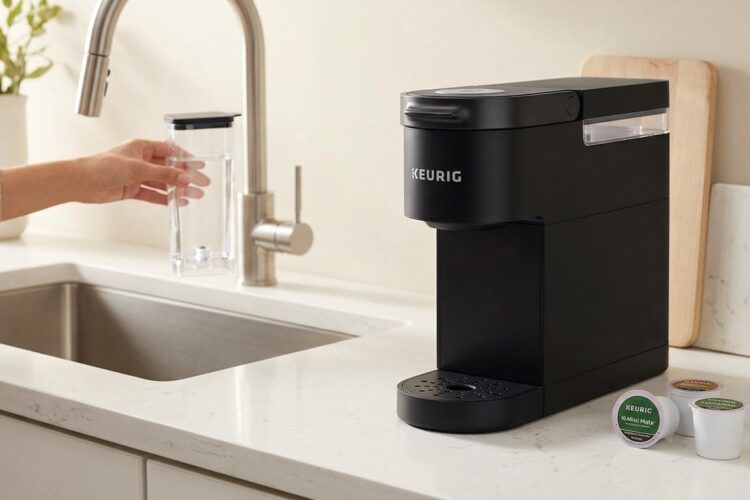
Not every household needs a large, feature-heavy coffee maker taking up valuable counter space, and that’s precisely the gap the Keurig K-Mini Mate is designed to fill. As one of the more compact options within Keurig’s single-serve lineup, the K-Mini Mate combines a narrow footprint with a few added conveniences not always found in Keurig’s most minimal models, positioning itself as a practical choice for smaller kitchens, dorm rooms, and offices where space efficiency matters as much as brewing capability.
This article offers a thorough, in-depth look at what the K-Mini Mate actually offers, the many different everyday situations in which it tends to be used, who this type of compact single-serve machine is generally best suited for, and an extensive set of practical considerations worth thinking through before choosing it as a daily coffee maker. Given how central a morning coffee routine can be for many people, the goal here is to walk through the details thoroughly rather than rush toward a simple recommendation.
Key Features
Compact, Space-Saving Footprint
The defining characteristic of the K-Mini Mate, as suggested by its name, is its notably small size compared to standard single-serve coffee makers. This compact footprint is generally intended to make the machine practical for kitchens, dorm rooms, or office spaces where counter space is limited, allowing it to fit into corners or tighter spots that a bulkier coffee maker simply couldn’t accommodate.
This kind of space-conscious design tends to matter more than it might initially seem, particularly for those in smaller living situations such as studio apartments, shared housing, or compact home offices, where every inch of available counter or desk space often needs to be carefully considered.
Single-Serve Brewing System
Like other machines in the Keurig lineup, the K-Mini Mate is built around a single-serve brewing system that relies on individual K-Cup pods rather than loose coffee grounds and a filter. Each brewing cycle produces one cup of coffee at a time, generally eliminating the need to measure grounds, deal with paper filters, or worry about brewing more coffee than will actually be consumed.
This kind of system tends to appeal specifically to those who don’t need or want a full pot of coffee brewed at once, instead preferring the flexibility of brewing exactly one serving whenever it’s wanted, whether that’s first thing in the morning or at various points throughout the day.
Simplified Operation
The K-Mini Mate is generally designed around straightforward, easy-to-understand operation, without the more extensive programmable features or digital displays found on some of Keurig’s larger, more advanced models. This kind of simplicity tends to appeal to users who want a quick, no-fuss way to brew coffee without needing to navigate multiple settings or menus.
Storage-Friendly Design Elements
Beyond its overall compact size, the K-Mini Mate is often noted for including small design details intended to support easier storage and organization, such as space to tuck away the K-Cup pod before brewing or a cord storage area to help keep the machine tidy on a counter. These kinds of small conveniences are generally aimed at making the most of the machine’s already minimal footprint.
Compatibility with a Wide Range of K-Cup Pods
As with other Keurig machines, the K-Mini Mate is designed to work with the broader ecosystem of K-Cup pods, which spans a wide variety of coffee roasts, flavors, and strengths, along with tea, hot chocolate, and other hot beverage options. This compatibility generally offers a fairly extensive range of beverage choices despite the machine’s small size and simplified feature set.
Removable Water Reservoir or Direct Water Fill
Some compact Keurig models, including versions of the K-Mini line, are designed around a direct water fill system rather than a larger, removable reservoir, meaning water is added right before each brewing cycle rather than being stored in bulk within the machine. This design choice is generally tied to the machine’s compact size, trading a larger onboard water capacity for a smaller overall footprint. It’s worth checking the specific water fill design of this particular model, since it directly affects how often water needs to be added during regular use.
How It Can Be Used
Given its compact size and simplified single-serve brewing system, this coffee maker tends to be used across a fairly consistent range of everyday situations.
Daily coffee for one. The most straightforward use case is brewing a single cup of coffee for personal daily consumption, generally well suited to individuals who don’t need to brew coffee for multiple people at once.
Small apartments and dorm rooms. Given its especially compact footprint, this machine is frequently chosen specifically for smaller living spaces, such as studio apartments, dorm rooms, or shared housing situations where counter space is at a premium.
Office desks or small break rooms. The K-Mini Mate’s small size also makes it a practical choice for personal office use, whether placed directly on a desk or in a small shared break room where a larger coffee maker wouldn’t comfortably fit.
Secondary or guest room coffee stations. Some households use a compact machine like this as a secondary coffee maker in a guest room, home office, or other secondary living space, separate from a larger coffee maker used in the main kitchen.
Travel trailers or small living spaces. Due to its minimal footprint, this type of compact single-serve machine is sometimes used in RVs, small vacation homes, or other living situations where space efficiency is a consistent priority.
Quick brewing without commitment to a full pot. Even in larger households with more counter space available, some individuals still prefer a single-serve machine like this specifically because it allows for brewing just one cup without needing to commit to a full pot that might otherwise go partially unused.
Who It May Be Suitable For
This type of compact, single-serve coffee maker tends to appeal to a fairly specific but common range of users, including:
- Individuals living alone who don’t need the capacity of a larger, multi-cup coffee maker and prefer a simple way to brew a single serving at a time.
- College students in dorm rooms or shared housing situations with limited kitchen space and appliance restrictions, where a compact machine is often a practical necessity rather than just a preference.
- Those in small apartments or studios, where counter and storage space is limited and every appliance needs to justify its footprint.
- Office workers who want a personal coffee maker at their desk or in a small shared space, without needing to rely on a larger, shared office coffee machine.
- Those who value simplicity over advanced features, given the K-Mini Mate’s straightforward operation compared to some of Keurig’s larger, more feature-heavy models.
- Secondary appliance buyers, such as those who already own a larger coffee maker in their main kitchen but want a compact backup option for a guest room, office, or other secondary space.
On the other hand, larger households that regularly need to brew multiple cups of coffee at once, or those who specifically want a large-capacity water reservoir to minimize how often water needs to be refilled, may find one of Keurig’s larger single-serve models, or a traditional drip coffee maker, better suited to their particular needs.
Important Things to Consider
Before choosing this type of compact coffee maker, there are several practical points worth thinking through in more detail.
Water fill frequency. Depending on the specific water fill design of this model, it may require water to be added before each individual brewing cycle rather than holding a larger reserve of water for multiple cups. This is worth factoring in for those who might prefer the convenience of a larger reservoir that doesn’t need to be refilled as frequently.
Limited brew size options compared to larger models. Compact, simplified machines like the K-Mini Mate often offer fewer brew size options compared to some of Keurig’s larger, more advanced models, so it’s worth checking the specific range of cup sizes available and confirming it matches personal preferences around coffee strength and volume.
Ongoing cost of K-Cup pods. As with any K-Cup-based system, it’s worth considering the ongoing cost per cup of using individual pods compared to brewing with bulk coffee grounds, since pod-based systems can sometimes work out to a higher cost per serving over the long term, regardless of the specific machine being used.
Not designed for brewing multiple cups at once. Since this is a single-serve machine, it’s not intended to brew a full pot of coffee for multiple people simultaneously, which is an important distinction for anyone who occasionally needs to serve coffee to guests or a larger household.
Maintenance and descaling needs. Like other coffee makers that use heated water, this machine will generally require occasional descaling to remove mineral buildup, particularly in areas with harder water. Staying on top of this kind of routine maintenance helps preserve consistent brewing performance over time.
Compact size trade-offs. While the small footprint is a major selling point, it’s worth recognizing that this compactness generally comes with certain trade-offs, such as a smaller water capacity or fewer built-in features, compared to larger single-serve machines. It’s worth weighing whether these trade-offs align with personal priorities around space versus added functionality.
Placement and counter space measurement. Even though this is one of the more compact single-serve machines available, it’s still worth measuring the specific dimensions against available counter space before purchasing, to confirm it fits comfortably in the intended location.
Environmental considerations of pod-based brewing. As with other K-Cup machines, some users weigh the convenience of single-serve pods against considerations around packaging waste. It’s worth being aware that recycling options and reusable pod alternatives can vary depending on the specific K-Cup brand and local recycling capabilities.
Comparison of General Categories
Coffee makers within this broader category can generally be grouped a few different ways, each suited to different needs and living situations.
Traditional drip coffee makers brew a full pot at once using loose coffee grounds and a filter, generally suited to households or offices that regularly need multiple servings brewed together in a single cycle.
Standard single-serve pod coffee makers brew one cup at a time using individual K-Cup pods, generally offering a larger water reservoir and sometimes more brew size options compared to the most compact models within the same broader category.
Compact single-serve machines, like the Keurig K-Mini Mate, prioritize a minimal footprint above additional features, generally trading some water capacity and brew size flexibility for a significantly smaller overall size.
Espresso machines represent an entirely different category, generally requiring more hands-on involvement and specialized equipment to produce concentrated coffee shots, often used as a base for drinks like lattes or cappuccinos rather than a straightforward cup of brewed coffee.
Choosing between these categories generally comes down to available counter space, typical daily coffee consumption, how many people in a household regularly drink coffee, and how much value is placed on simplicity and compactness versus additional features and capacity.
A Closer Look at the Everyday Brewing Experience
For many people considering a compact single-serve machine like the K-Mini Mate, the actual day-to-day experience of using the machine matters just as much as its technical specifications. Because the brewing process generally involves adding water, inserting a pod, and starting the cycle, the overall routine tends to be fairly quick and repeatable, which is part of the appeal for those who want their morning coffee prepared with minimal effort or waiting time.
Since the machine is designed around simplicity, there’s generally little to learn in terms of operation, which can be a meaningful advantage for households where multiple people, including guests, might use the machine without needing detailed instructions. This kind of straightforward operation also tends to reduce the likelihood of user error compared to machines with more extensive programming options and settings menus.
At the same time, the trade-off for this simplicity is generally a reduced degree of customization. Those who enjoy experimenting with different brew strengths, temperatures, or cup sizes may find a more advanced single-serve machine offers more flexibility, while those who simply want a consistent, no-fuss cup of coffee each day may find the K-Mini Mate’s simplicity to be exactly what they’re looking for.
Frequently Asked Questions
How does the K-Mini Mate compare in size to Keurig’s other single-serve machines? The K-Mini Mate is generally positioned among the more compact options within Keurig’s broader single-serve lineup, designed specifically with smaller spaces in mind, whereas some of Keurig’s larger models offer bigger water reservoirs and additional brewing features in exchange for a larger overall footprint.
Does this machine have a large water reservoir? Depending on the specific water fill design of this model, it may rely on a smaller, direct-fill water system rather than a larger, removable reservoir, meaning water is generally added closer to each individual brewing cycle rather than stored in bulk for multiple cups.
Can this machine brew more than one cup at a time? No, like other single-serve Keurig machines, the K-Mini Mate is designed to brew one cup at a time using an individual K-Cup pod, so those needing to serve coffee to multiple people simultaneously would generally need a traditional drip coffee maker or a larger machine with a bigger reservoir.
Is this a good option for a dorm room? Given its compact size, this type of machine is often specifically chosen for dorm rooms or other small living spaces, where counter space and appliance size restrictions are common considerations.
Does this machine work with any brand of K-Cup pod? This machine is generally designed to work with standard K-Cup pods, which are widely available across many different coffee, tea, and beverage brands, offering a fairly broad range of options despite the machine’s compact, simplified design.
How often does the water need to be refilled during use? This depends on the specific water fill design of the model, but compact machines like this often require water to be added more frequently than larger machines with bigger reservoirs, since they generally prioritize a smaller footprint over larger onboard water capacity.
How often should this machine be descaled? Descaling frequency generally depends on water hardness in a specific area, though most manufacturers recommend descaling every few months to help maintain consistent brewing performance and prevent mineral buildup over time, regardless of the specific single-serve model being used.
Is this machine suitable for an office desk? Given its small footprint, this type of compact single-serve machine is often well suited to personal office use, whether placed directly on a desk or in a small shared break room where space is limited.
Conclusion
The Keurig K-Mini Mate Single Serve K-Cup Pod Coffee Maker offers a genuinely space-conscious approach to everyday coffee brewing, combining a notably compact footprint with the same straightforward, single-serve K-Cup system found across the broader Keurig lineup. For individuals, students, office workers, or anyone dealing with limited counter space who still wants a convenient, no-fuss way to brew a single cup of coffee, this type of machine presents a practical, everyday-friendly option.
At the same time, those who regularly need to brew multiple cups at once, or who prioritize a larger water reservoir and more extensive brew size options, may find a larger single-serve machine or a traditional drip coffee maker better suited to their specific needs. As with most coffee maker decisions, the right choice ultimately depends on available kitchen or desk space, typical daily coffee consumption, and how much value is placed on compactness and simplicity over additional capacity and features.